
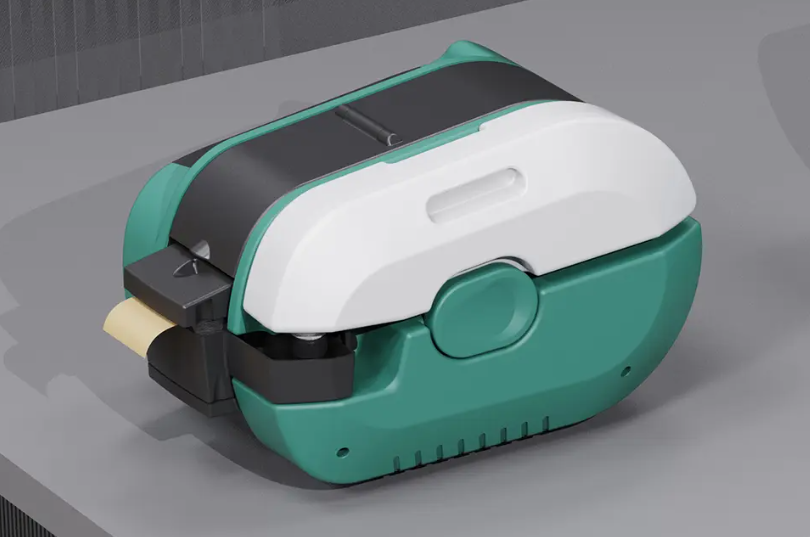
Water-activated paper tape dispenser have quietly become one of the most practical upgrades in modern packaging operations. Unlike pressure-sensitive plastic tape guns that rely on a pre-applied adhesive, these machines moisten a starch-based adhesive on gummed kraft paper tape, activating it so the tape bonds directly into the fibers of corrugated cartons. The result is a seal that is difficult to tamper with, fully recyclable, and often stronger than the box itself. This guide draws on hands-on experience with manual, automatic, and sensor-operated units to explain what actually matters when selecting and using a tape dispenser.
Why the adhesive mechanism matters more than the machine
Many buyers focus on dispensing speed, but the real differentiator is the adhesive chemistry. Water-activated tape (often called gummed tape) uses a starch or animal-glue based adhesive that must be moistened to become tacky. When applied correctly, the tape fuses with the carton surface rather than sitting on top of it. In practice, this means a sealed carton cannot be opened and reclosed without visible damage — a meaningful security benefit for electronics, pharmaceuticals, and high-value e-commerce shipments. It also means the entire package — box and tape — can go into the same recycling stream, which is increasingly important for brands facing extended producer responsibility rules in Europe and North America.
Matching the dispenser to the workflow
From working with packaging teams across fulfillment centers and 3PL warehouses, the most common mistake is buying a machine that doesn’t match actual daily volume. A few practical observations:
Manual lever models such as the NT-800 suit operations sealing roughly 50–150 cartons per day. The operator pulls a lever, the machine moistens and cuts a preset length, and the tape is applied by hand. These units require no power installation and are easy to relocate between packing stations.
Automatic electric dispensers like the NT-AT 3.0 make sense once a team is sealing several hundred cartons daily. Preset length buttons and a heated water tank speed up repetitive work, and operating noise below 70 dB keeps the packing line comfortable.
Sensor-operated units dispense tape when a hand or carton passes the sensor, which reduces contact with shared surfaces and speeds up high-throughput lines. Real-world dispensing speeds around 60 m/min are achievable, though actual output depends on tape width and operator rhythm.
Handheld gummed tape dispensers remain useful for low-volume or mobile packing, such as trade show shipping or field service kits.
Sizing tape correctly saves real money
One overlooked cost driver is tape length. Operators using plastic tape guns tend to over-pull “just to be safe.” A dispenser with preset or sensor-measured lengths — typically adjustable from about 15 cm to 210 cm — removes that guesswork. On a line sealing 500 cartons a day, trimming even 10 cm of waste per carton adds up to meaningful annual savings in tape consumption. A tape length detector can further reduce errors by measuring the carton and recommending the optimal strip, which is especially helpful for mixed-size order profiles.
Maintenance habits that extend machine life
Water-activated systems have one maintenance vulnerability: the moistening brush and water tank. Starch adhesive left to dry on the brush hardens and causes uneven wetting, which leads to poor adhesion. A simple routine — drain and rinse the tank at the end of each shift, wipe the brush, and check the cutting blade weekly — prevents most performance problems. Using filtered water also reduces mineral buildup in heated tanks.
What to check before purchasing
Based on operational experience, five checks matter most:
Daily carton volume — match manual, automatic, or sensor operation to real throughput, not peak-season fantasy.
Tape compatibility — confirm supported roll width and diameter, and test with your actual gummed tape before committing.
Water heating and refill design — a 1-liter tank that heats quickly supports continuous work; awkward refilling slows operators down.
Spare parts and blade access — cutting blades wear out; confirm replacements are readily available.
Supplier support and customization — for distributors, OEM/ODM options such as logo printing, body color, and function adjustments help differentiate a product line. Airpowerpak (YJNPACK) offers these customization services alongside its dispenser range, which is worth discussing early in the sourcing process.
Where these systems fit best
Water-activated dispensers deliver the most value in e-commerce fulfillment, third-party logistics warehouses, export packing lines where tamper evidence matters, and cold-chain operations where plastic tape can lose adhesion in low temperatures. They are less compelling for very low-volume users who seal a handful of boxes weekly, where a handheld unit is sufficient.
A final practical note
The best tape dispenser is the one your operators actually use correctly. Train staff on proper moistening — tape should be damp, not dripping — and on selecting the right tape length for each carton size. Done well, a water-activated system improves seal integrity, reduces material waste, and supports sustainability claims that customers can verify. For businesses evaluating options, requesting samples and running a trial on your own carton mix remains the most reliable way to confirm a dispenser fits your operation.
The Short Version
- Water-activated paper tape dispensers use a starch-based adhesive that bonds directly into the fibers of corrugated cartons, providing a tamper-resistant seal.
- Unlike plastic tape, water-activated tape allows both the box and tape to be recycled together, making it a sustainable option for packaging operations.
- The most common mistake in selecting a dispenser is not matching it to the actual daily volume of carton sealing required for a specific operation.
- Maintenance for water-activated systems focuses on cleaning the moistening brush and tank to prevent drying adhesive from affecting performance.
- Water-activated dispensers are particularly beneficial in e-commerce fulfillment and cold-chain operations where seal integrity is critical.
- Testing tape compatibility and ensuring availability of spare parts are essential factors to consider before purchasing a tape dispenser.