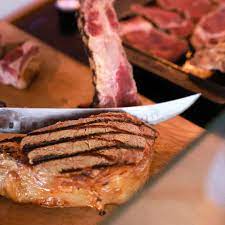
In today’s digital age, first impressions are often made through images. For restaurants, the visual presentation of dishes can directly influence customer perception, engagement, and even revenue. Studies show that consumers are more likely to order dishes they have seen in high-quality images online, making food photography a critical component of modern restaurant marketing. A compelling food photography can highlight texture, freshness, and flavor, helping dishes stand out in a crowded marketplace.
How Can Visuals Increase Customer Engagement?
Research indicates that posts featuring high-quality food images receive significantly higher engagement on social media platforms compared to those without visuals. For restaurants, this translates into greater visibility and potential foot traffic. Social media users tend to share images that are visually appealing, creating organic promotion. Consistently showcasing dishes in a professional manner can strengthen a restaurant’s brand identity and encourage repeat interactions from followers.
What Role Does Presentation Play in Perceived Taste?
Studies in consumer psychology suggest that the way food is presented visually affects how people perceive taste and quality. Plates arranged with attention to color, balance, and texture are often perceived as more flavorful and sophisticated. Food photography captures these details, allowing potential customers to experience the appeal before even taking a bite. This visual anticipation can drive both online orders and in-house dining choices.
How Can Restaurants Maximize ROI From Photography?
Investing in professional food photography can yield measurable returns. Data shows that restaurants featuring professionally shot images on menus, websites, and delivery platforms report higher conversion rates. High-quality visuals reduce uncertainty, making it easier for customers to make decisions and increasing average order value. By strategically using these images across marketing channels, restaurants can enhance brand credibility and attract a broader audience.
Which Techniques Make Food Photography Effective?
Effective food photography relies on several key techniques. Lighting is crucial: natural light highlights freshness and natural colors, while controlled studio lighting can emphasize texture and detail. Composition is equally important, with focus on elements like symmetry, layering, and color contrast to create visual interest. Depth of field, props, and context can also enhance storytelling, making the dish feel more inviting and aspirational.
Why Should Restaurants Consider Consistency in Visual Style?
A consistent visual style strengthens brand recognition. Research suggests that consumers are more likely to trust and engage with brands that maintain a cohesive aesthetic. Whether it’s minimalist, rustic, or vibrant, a unified style across all food photography ensures that every image reinforces the restaurant’s identity. Consistency also makes content creation more efficient, as guidelines for styling and lighting can streamline future shoots.
How Does Photography Influence Menu Design?
Food photography is not limited to online promotion; it also plays a significant role in menu design. Visual cues guide customer decisions and can highlight signature dishes. According to behavioral studies, menus featuring images of dishes increase order likelihood, particularly for items that are visually appealing or unique. By pairing strategic photography with menu layout, restaurants can influence spending patterns and optimize revenue.
What Are the Emerging Trends in Food Photography for Restaurants?
Recent trends include candid, behind-the-scenes shots, ingredient-focused images, and videos that show preparation techniques. Restaurants leveraging these approaches can connect with audiences on a deeper level, offering transparency and authenticity. Data indicates that dynamic and engaging visual content, including short-form videos, significantly boosts interaction rates compared to static images alone.
In conclusion, food photography is more than just a marketing tool—it is a strategic investment that directly impacts customer perception, engagement, and revenue. By emphasizing high-quality, consistent, and visually compelling images, restaurants can showcase their culinary expertise, elevate their brand, and create meaningful connections with diners before they even step inside.